
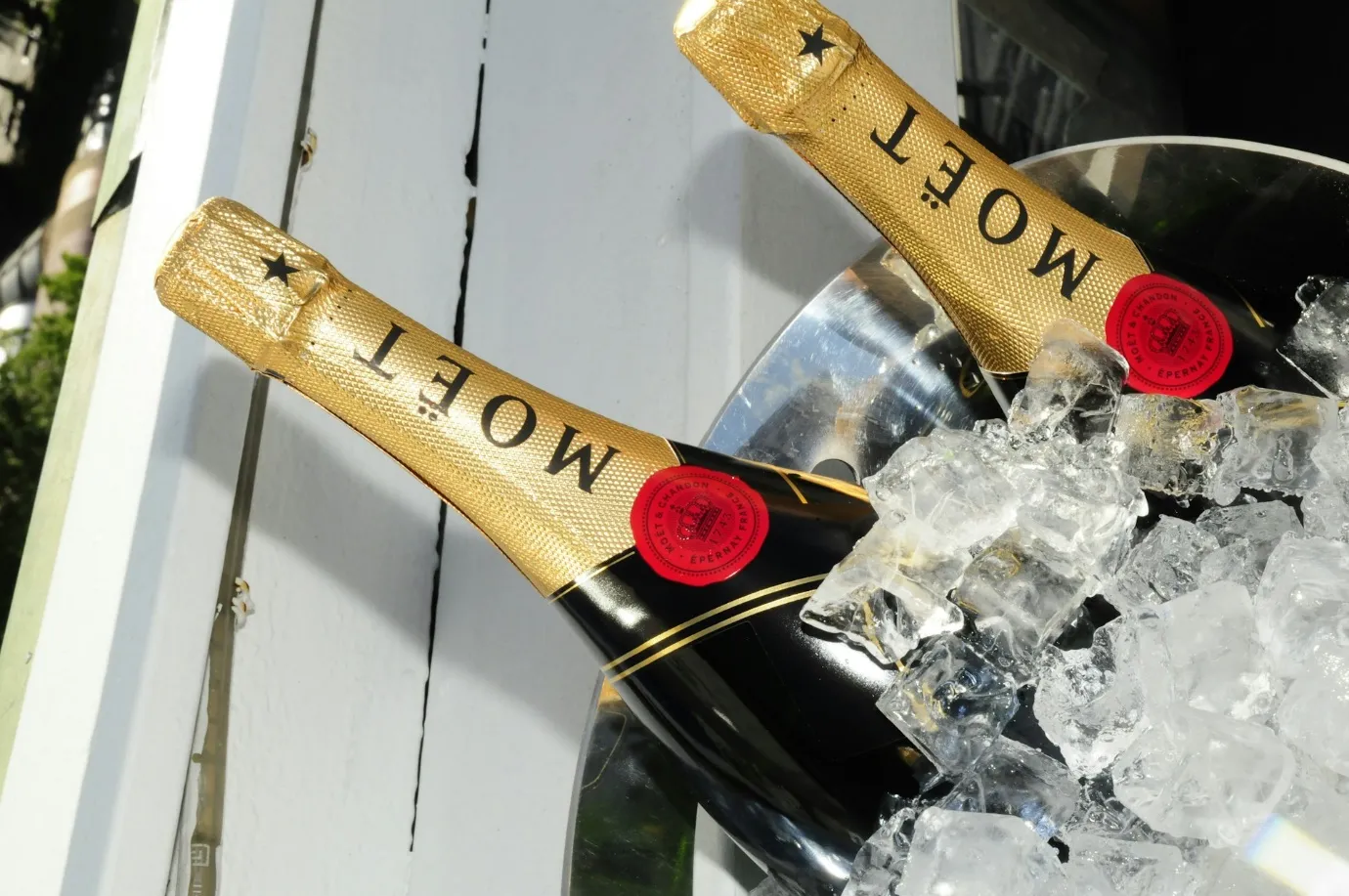
Champagne has long been associated with celebration, but in today’s culinary world, it has evolved into something far more influential. From Michelin-starred tasting menus to contemporary fusion cuisine, legendary champagne houses have become tastemakers that shape how luxury dining is experienced across the globe. Their impact extends beyond the glass, influencing food pairings, restaurant culture, hospitality standards, and even the storytelling behind modern gastronomy. In an era where diners seek immersive experiences as much as exceptional flavors, these historic maisons remain central to the conversation.
How champagne became a pillar of fine dining culture
The relationship between haute cuisine and champagne dates back centuries, yet its role has expanded dramatically in recent decades. Prestigious producers are no longer viewed simply as beverage brands; they are cultural institutions tied to craftsmanship, heritage, and culinary artistry. The renowned Dom Pérignon house is often considered a benchmark in fine dining culture because of its longstanding collaborations with celebrated chefs and luxury hospitality groups. Its vintages are frequently integrated into tasting experiences where every course is designed to echo the complexity and texture of the wine itself. This synergy has helped redefine champagne as an essential gastronomic element rather than a ceremonial drink reserved for special occasions.
Across Europe, North America, and Asia, sommeliers increasingly position prestige cuvées alongside dishes once paired exclusively with white Burgundy or rare reds. Delicate seafood, umami-rich Japanese cuisine, and even spicy contemporary dishes now regularly appear beside vintage champagne pairings. This shift reflects changing dining habits, where balance, freshness, and acidity are prized over heavier combinations.
The rise of experiential dining
Modern gastronomy has become deeply experiential, and champagne houses understand the emotional power of atmosphere. Exclusive chef collaborations, immersive cellar dinners, and curated tasting journeys allow luxury maisons to create narratives around their wines.
Several factors explain why these houses remain so influential:
- They combine centuries of heritage with modern culinary innovation
- Their wines adapt remarkably well to diverse cuisines
- Partnerships with elite chefs reinforce their prestige
- They embody luxury without losing artisanal authenticity
This ability to merge tradition with reinvention keeps champagne culturally relevant in a rapidly evolving food scene.
Why chefs increasingly rely on champagne pairings
Fine dining chefs today design menus with precision, often considering acidity, texture, and minerality before selecting wine pairings. Champagne naturally complements this approach because of its versatility. Brut vintages can elevate oysters and caviar, while richer cuvées pair beautifully with roasted poultry, truffle dishes, or aged cheeses.
More importantly, champagne offers structural complexity that mirrors the sophistication of modern gastronomy. The balance between freshness and depth allows chefs to experiment with bold contrasts without overwhelming the palate. As culinary trends move toward lighter sauces, fermentation, and globally inspired ingredients, champagne has become an increasingly natural match.
Restaurants also value the symbolic prestige attached to iconic maisons. Offering renowned labels on a menu signals refinement and exclusivity, reinforcing the overall dining experience for guests seeking luxury and authenticity.
The global influence of historic maisons on culinary trends
Legendary champagne houses have also shaped broader food and hospitality trends. Many invest heavily in collaborations with luxury hotels, international culinary festivals, and emerging gastronomic talents. Their presence at high-profile events creates visibility that extends far beyond traditional wine circles.
In cities such as Tokyo, Paris, New York, and Singapore, champagne-centric dining experiences are now common. Some restaurants even build entire tasting menus around a single vintage or producer. This reflects a growing appetite for curated experiences where wine becomes the narrative thread connecting every dish.
Another notable evolution is sustainability. Modern consumers increasingly expect transparency and environmental responsibility, and many historic maisons have adapted by embracing organic practices, biodiversity initiatives, and reduced carbon production methods. This alignment with contemporary values strengthens their influence among younger luxury consumers.
A new generation of champagne enthusiasts
Millennials and Gen Z diners are approaching gastronomy differently from previous generations. They value discovery, storytelling, and authenticity over rigid luxury traditions. Champagne houses have responded by modernizing their communication strategies, collaborating with contemporary artists, and embracing digital experiences without abandoning their heritage.
This balance between legacy and innovation explains why these brands continue to resonate globally. Their wines represent more than prestige; they symbolize craftsmanship, celebration, and cultural sophistication.
How champagne houses influence restaurant identity
For many upscale restaurants, the selection of champagne reflects the establishment’s identity. Sommeliers carefully curate labels that align with the restaurant’s culinary philosophy, whether minimalist, avant-garde, or rooted in classic French gastronomy.
Some influential contributions include:
- Encouraging seasonal and terroir-driven pairings
- Elevating the role of sommeliers in modern dining
- Inspiring chef collaborations and exclusive menus
- Reinforcing the emotional and celebratory aspect of gastronomy
These elements contribute to a dining culture where champagne is not simply consumed but experienced as part of a larger artistic narrative.
Why timeless champagne maisons still dominate gastronomic influence
Despite changing culinary fashions, legendary champagne houses maintain their authority because they consistently adapt without sacrificing identity. Their influence rests on a rare combination of historical credibility, sensory excellence, and emotional resonance. In a hospitality landscape increasingly focused on memorable experiences, champagne continues to symbolize elegance, creativity, and celebration at the highest level.
As gastronomy becomes more global and experiential, these iconic maisons remain deeply woven into the fabric of luxury dining. Their bottles are no longer just poured to toast milestones; they help define the rhythm, emotion, and sophistication of modern cuisine itself.
FAQs about champagne houses and modern gastronomy
Why is champagne considered ideal for fine dining pairings?
Champagne offers high acidity, freshness, and layered complexity, making it compatible with a wide range of dishes, from seafood to rich gourmet cuisine.
Which champagne houses are most associated with haute cuisine?
Historic maisons such as Dom Pérignon, Krug, Bollinger, and Louis Roederer are widely linked to Michelin-starred restaurants and luxury gastronomy.
How do champagne houses collaborate with chefs?
Many prestigious houses organize exclusive dinners, culinary partnerships, and limited-edition experiences where chefs create menus inspired by specific vintages.
Why are younger consumers interested in champagne culture?
Younger diners appreciate storytelling, craftsmanship, sustainability, and immersive dining experiences, all of which modern champagne houses increasingly emphasize.
Is champagne only associated with French cuisine?
No. Champagne now pairs with diverse international cuisines, including Japanese, Korean, Peruvian, and modern fusion gastronomy, thanks to its versatility and balance.
